News
Mark Davis visits LUMC for lecture and scientific exchange
Monday 8 June 2026
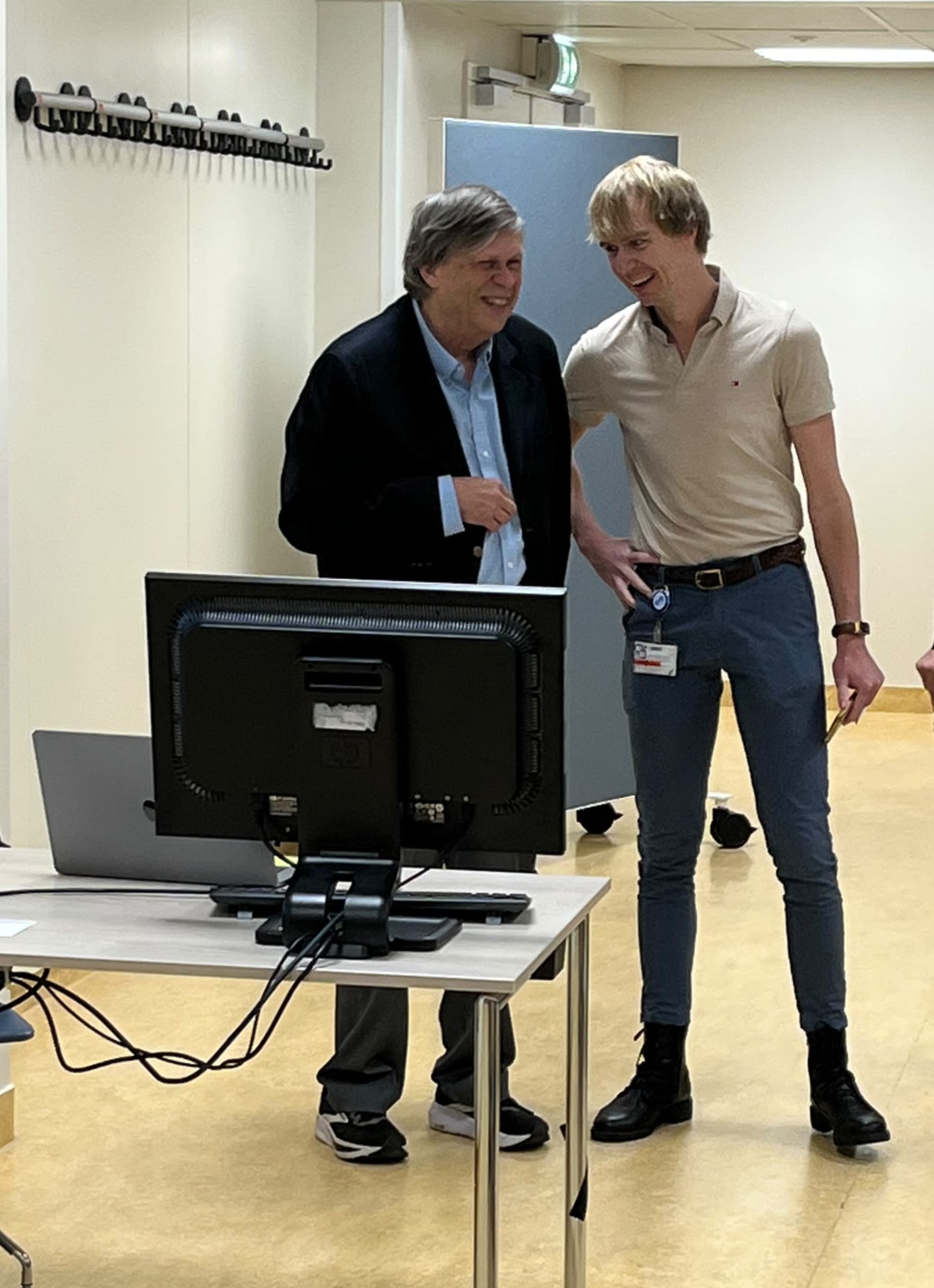
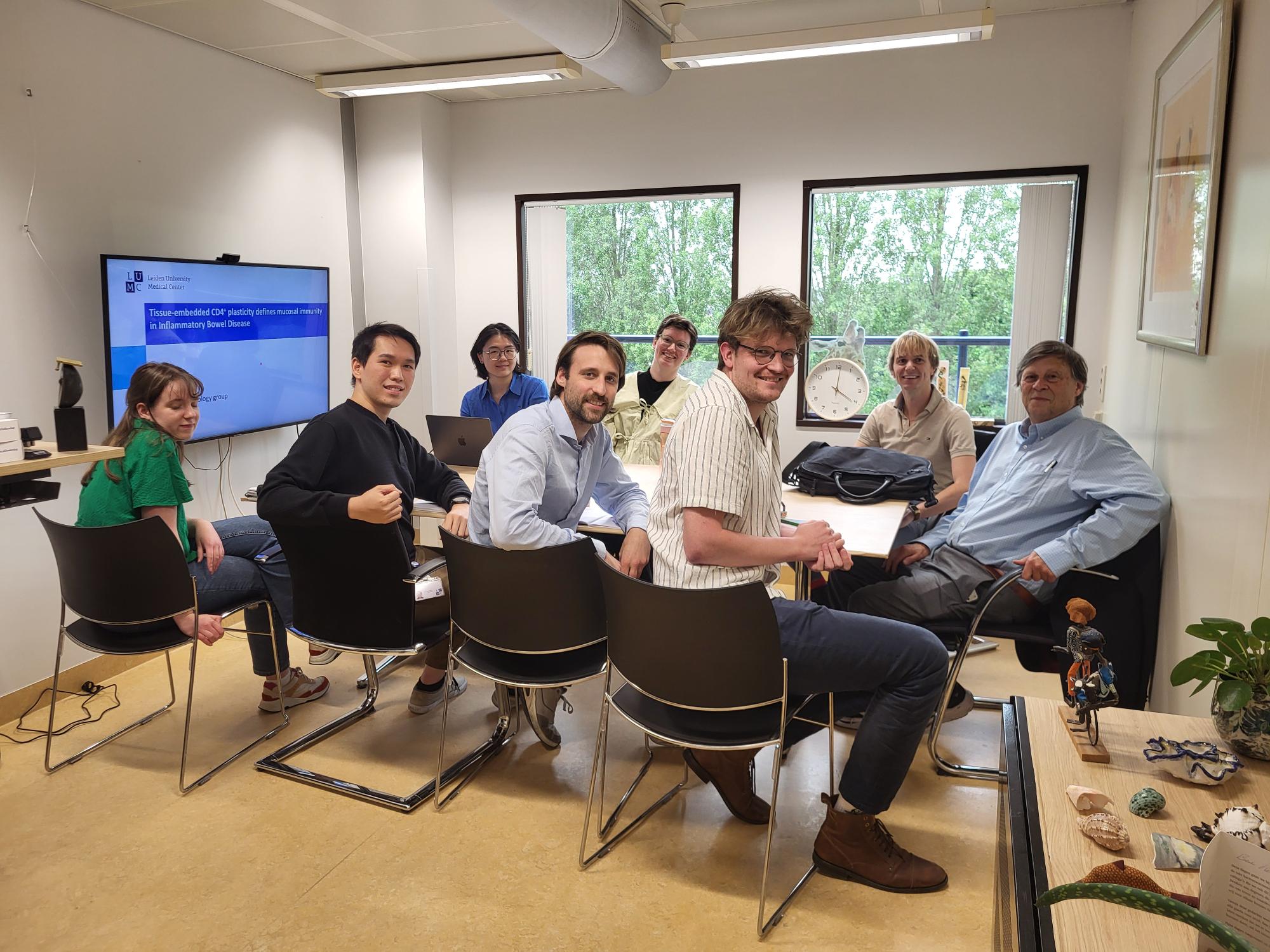
We were delighted to welcome Mark Davis from Stanford University to LUMC. Mark Davis, my former postdoctoral mentor and a leading figure in human systems immunology, gave an inspiring lecture entitled "New approaches to vaccine development and human immunology generally."
In addition to the lecture, we had a highly stimulating brainstorm session with my research team, discussing recent scientific progress and exploring new angles to advance our investigations into chronic inflammation. It was a valuable opportunity to exchange ideas, reflect on ongoing projects, and identify promising directions for future research.
The day culminated in a wonderful dinner with Mark Davis and my team at an Indonesian restaurant in Leiden. Over inspiring conversations about science, society, and politics, Mark Davis once again showed what a remarkable mentor figure he is. His curiosity, generosity, and perspective continue to inspire trainees to become the best scientists they can be.
We thank Mark Davis for his visit, his insights, and the inspiring discussions.
New funding for coeliac disease research
24 March 2026
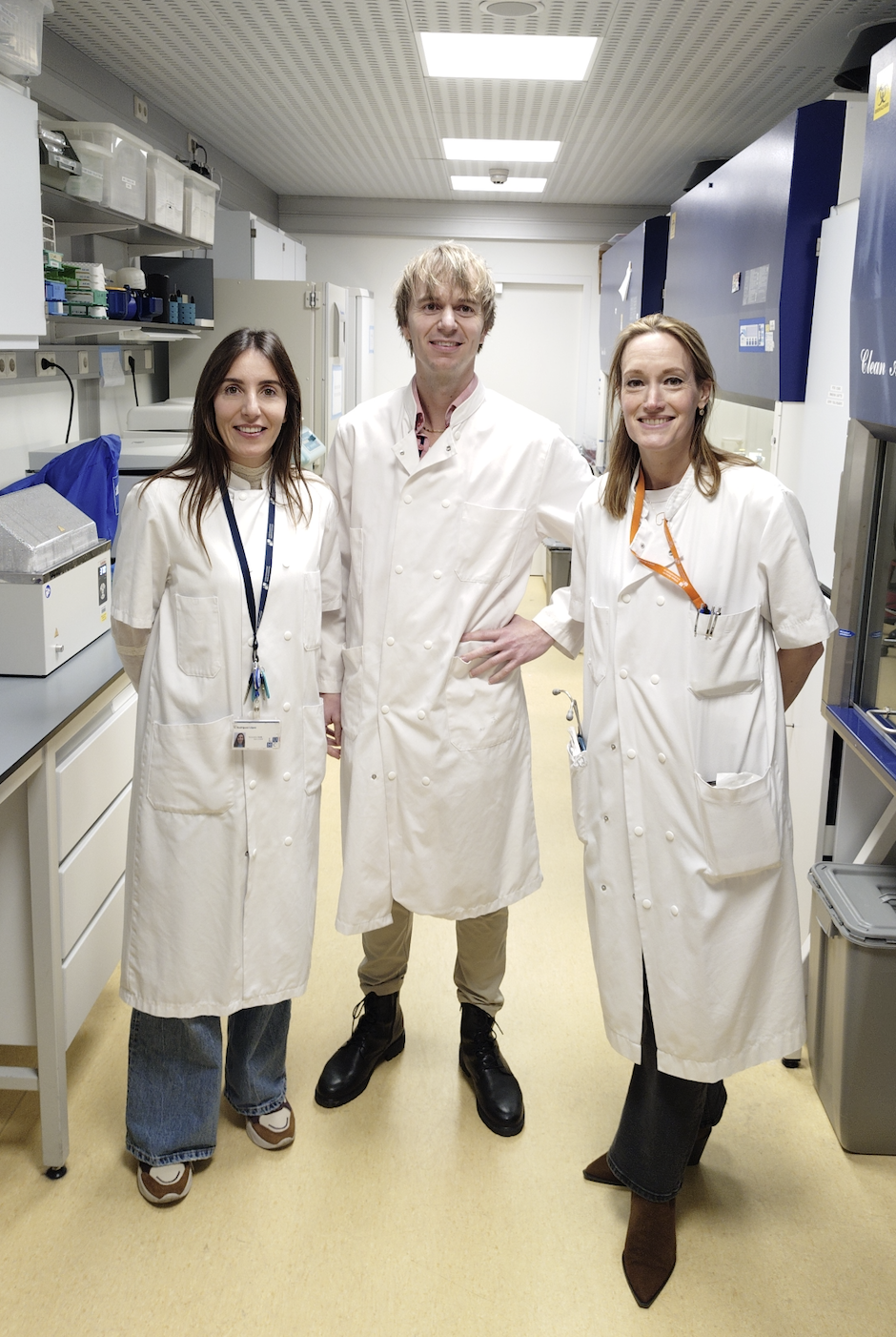
We are delighted to announce that Vincent van Unen has been awarded £38,500 through the Coeliac UK Innovative Grants programme for a new research project on the early development of coeliac disease.
The project will explore whether infections can trigger the loss of gluten tolerance in children who are genetically at risk of developing coeliac disease. Using samples from the PreventCD cohort—an international birth cohort established to study how early-life nutrition, genetics, immune responses, and environmental exposures shape disease risk—the team will combine antibody profiling with follow-up T-cell analyses to identify microbial exposures linked to the earliest stages of disease development.
This project brings together clinical expertise and fundamental immunology in a unique collaboration. Co-applicants are Caroline Meijer, coeliac specialist and medical doctor, and Virginia Rodriguez, molecular biologist, both from the Department of Pediatrics. Together with the mucosal immunology group, the team combines direct clinical insight with advanced immune profiling approaches
The study is expected to generate important new insights into the earliest biological events that precede coeliac disease onset and may help open up new opportunities for prevention and early intervention.
Collaborative Tanzania–Leiden IBD study receives additional funding
12 December 2025 / updated 7 March 2026
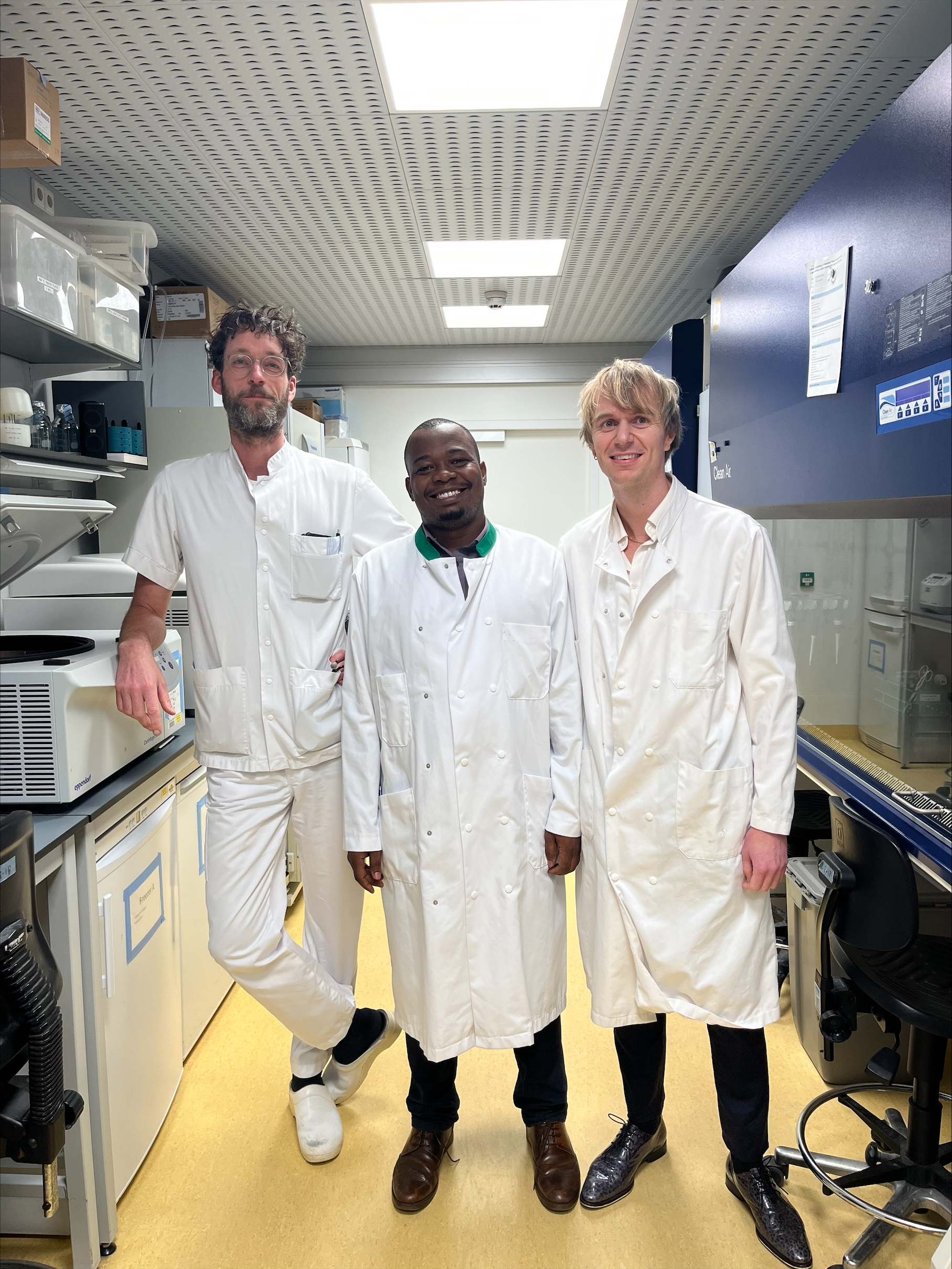
We have received additional funding for our collaborative Tanzania–Leiden study investigating the rising incidence of inflammatory bowel disease (IBD) in Africa. Following an earlier €15,000 grant from the Leiden University Global Fund, the project has now also been awarded a €25,000 LDE Global Support grant.
Together, we aim to better understand why Crohn’s disease and ulcerative colitis, together known as IBD, are becoming more common in sub-Saharan Africa. Urbanisation, dietary change, and shifts in hygiene and environmental exposures are likely to play an important role. The project examines how urban–rural differences in the gut microbiome and environmental factors, including bacteria traced from soil to food to the intestine, may contribute to intestinal inflammation.
The study is a collaboration between LUMC, Leiden University, Erasmus MC, TU Delft, and the Kilimanjaro Christian Medical Centre (KCMC) in Tanzania. The team includes Jeremia Pyuza (Pathology, KCMC), Philip Voorneveld (Gastroenterology, LUMC), Vincent van Unen (Immunology, LUMC), Emilia Hannula (Soil ecology, Leiden Univ), Ilse Molendijk (Gastroenterology, Erasmus MC), and Thomas Höllt (TU Delft).
Dioraphte Grant Awarded for CVID Enteropathy Research
28 February 2026
We are pleased to announce that the Dioraphte Foundation has awarded a €425,000 grant for the project NavIgAte: An advanced network for versatile IgA treatment of CVID-related enteropathy, led by Prof. Dr. Helen Leavis at UMC Utrecht.
CVID is a primary immunodeficiency in which the immune system does not function properly. In some patients, this leads to intestinal inflammation, or enteropathy, partly due to a lack of IgA, an immune protein that helps protect the gut barrier. The NavIgAte project will investigate whether IgA replacement therapy can restore the intestinal barrier, reduce inflammation, and improve symptoms in patients with CVID-related enteropathy. By combining laboratory models with patient biomarker studies, the team aims to evaluate the effectiveness of IgA therapy and identify markers that can help clinicians assess treatment response more rapidly. In the long term, this approach may offer an alternative to immunosuppressive drugs and improve quality of life for patients.
The project is a collaboration between UMC Utrecht, LUMC, and Radboud UMC, with Vincent van Unen (Immunology, LUMC), Marcel de Zoete (UMC Utrecht), and Mirjam Severs (Radboud UMC) as co-applicants.
Dioraphte Grant Awarded for Narcolepsy Type 1 Research
28 February 2026
We are pleased to announce that Leiden University Medical Center has been awarded a €413,000 grant for the project Towards a better understanding of the autoimmune cause of narcolepsy type 1: from single-cell sequencing to loss of hypocretin-producing neurons, led by Dr. Rolf Fronczek
Narcolepsy type 1 is caused by the selective loss of hypocretin-producing neurons, leading to severe daytime sleepiness and often cataplexy. This project will investigate the autoimmune mechanisms underlying the disease by combining single-cell sequencing data, computational modelling, and patient samples to identify the immune targets involved. The aim is to enable faster diagnosis and support the development of treatments that go beyond symptom control.
The project brings together expertise from across LUMC, with Dr. Rolf Fronczek, Dr. Mink Schinkelshoek, Dr. Ahmed Mahfouz, Dr. Willem Jespers, Dr. Vincent van Unen, Prof. Gert Jan Lammers, and Dr. Maartje Huijbers as co-applicants.

Immunology Field Study in Tanzania
04 November 2025
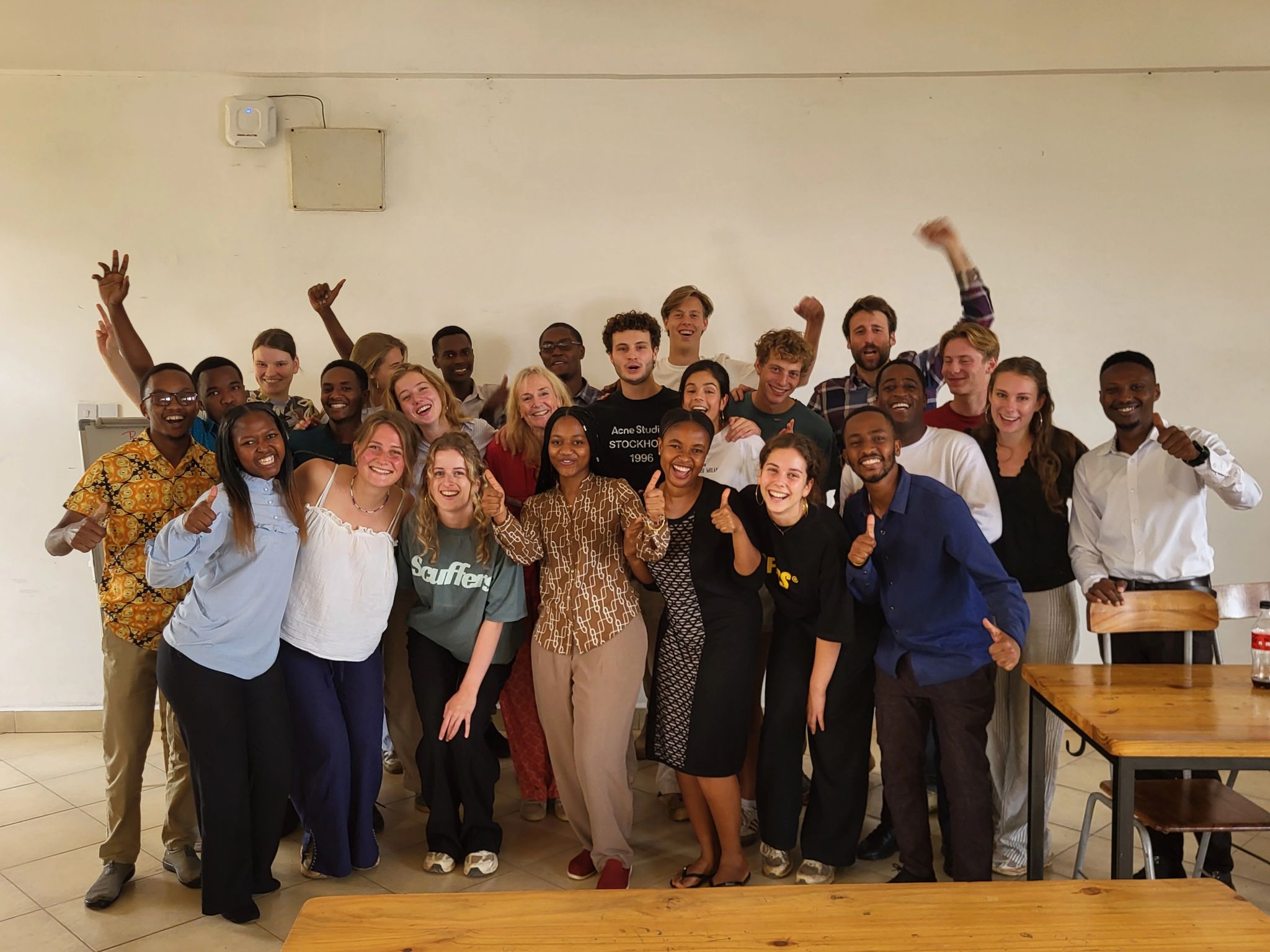
Had a fantastic time co-organizing half minor Leiden University Medical Center program at KCMC in Tanzania, where students conducted a field study on determining environmental factors influence on pediatric immune profiles.
Together with Annemieke Geluk, Philip Voorneveld and Dr. Jeremia J Pyuza, along with critical lab support by Suzanne Veltkamp and Jens Krijgsman, and great student efforts from LUMC and KCMC!
Moreover, we received a LUF Global grant to further strengthen our partnership in science.
Welcome Jefferson Caesario!
05 September 2025
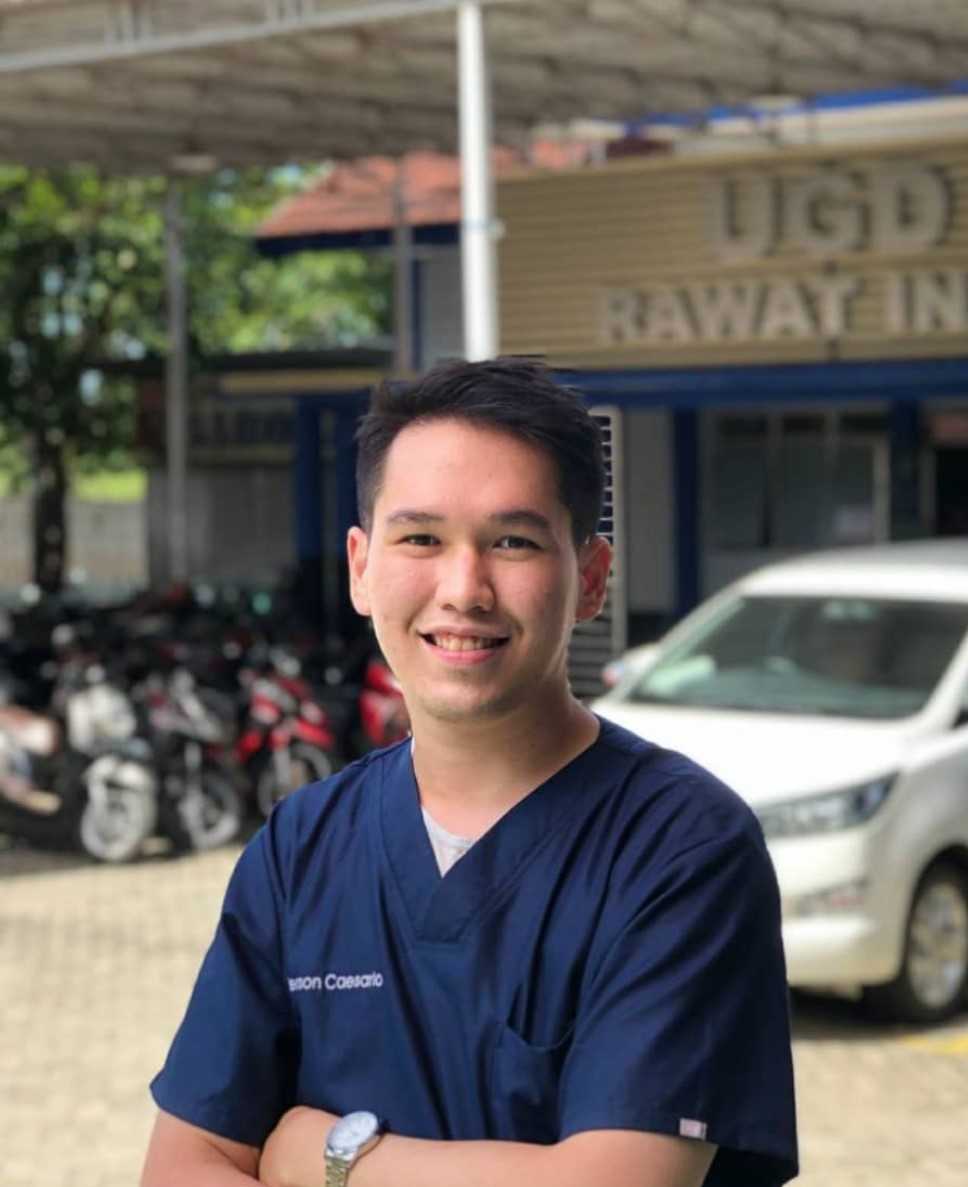
We’re thrilled that Jefferson Caesario has joined our team as a new PhD candidate!
Jefferson Caesario will integrate multi-omics, single-cell landscapes, and organoid Modeling to reveal the pathogenesis of Inflammatory Bowel Disease.
"Driven by my passion for immunology, I studied at the Medical School of Airlangga University in Surabaya, Indonesia. After completing my Medical Doctor program, I obtained my Master's degree in Immunology at the same university's postgraduate school, where I specialized in immunology and cancer biology. Since September 2025, I have been working as a PhD candidate in the Mucosal Immunology group, led by Dr. Vincent van Unen. I am fascinated by the hidden mechanisms of immune cell communication with other cells. I am eager to decipher the forms of communication and identify hallmarks of immune cells in IBD pathogenesis. For my PhD project, I will dissect the roles of immune cells in disease progression by combining computational data from genomics, transcriptomics, metagenomics, and proteomics. To validate these findings, I will establish and utilize human intestinal organoid cultures as physiologically relevant disease models. These organoids-containing immune cells will enable me to recapitulate IBD pathophysiology in vitro, test mechanistic hypotheses derived from multi-omics data, and evaluate potential therapeutic interventions in a controlled environment. This integrated approach aims to achieve a more comprehensive understanding of the molecular changes contributing to disease development."
Congratulations to Dr. Jia Li!
08 January 2025
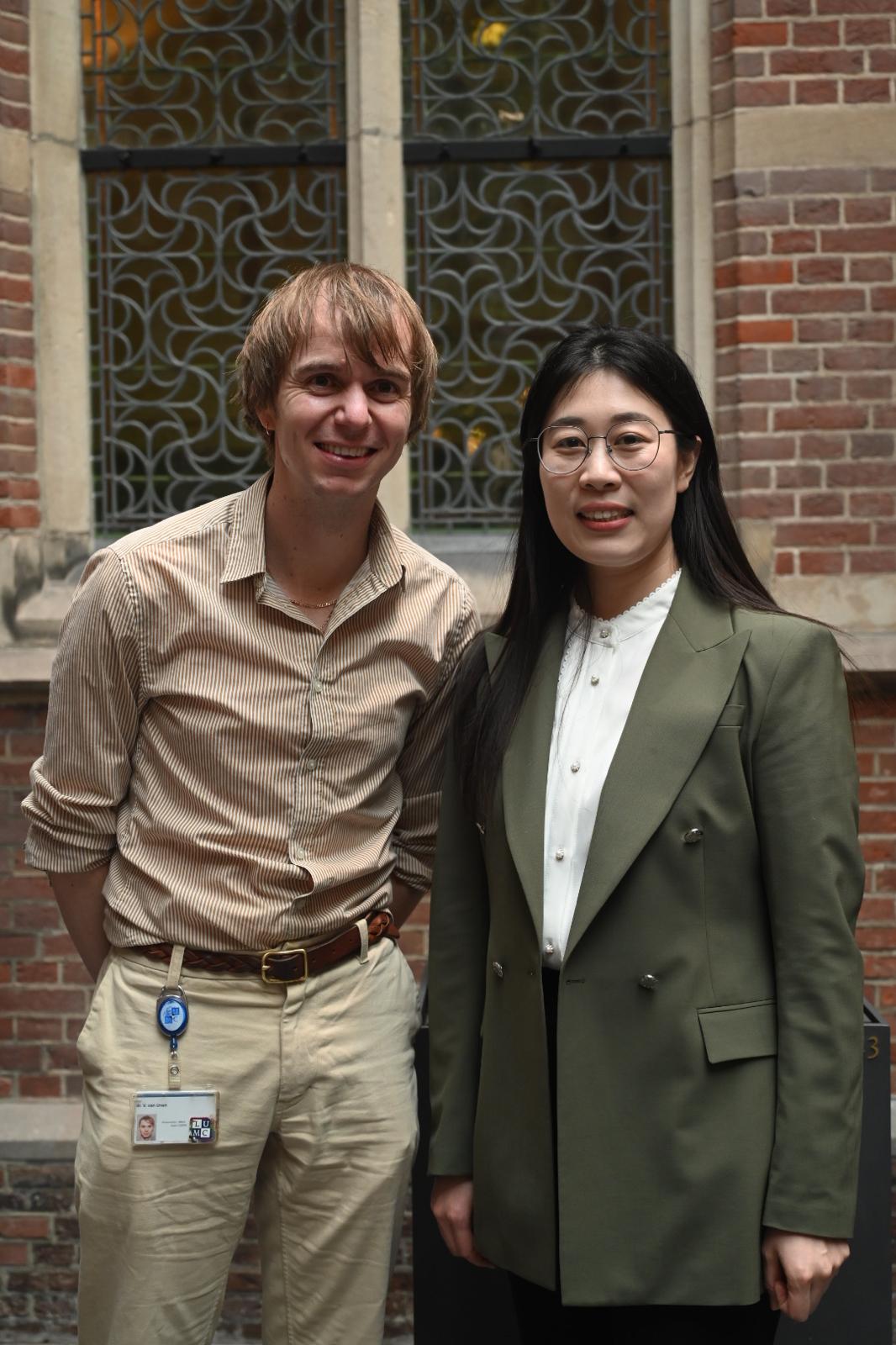
We’re excited to share that Jia Li successfully defended her PhD thesis on January 8, 2025! Her research, titled "Decoding the Immune and Structural Landscapes of the Prenatal and Emphysematous Lung at the Single-Cell Level," explored lung health at a great level of detail.
Jia Li impressed everyone during her defense by answering a wide range of questions — scientific, clinical, and even societal — with clarity and confidence.
A highlight was when she shared some advice with statement #10 she had embraced during her PhD:
"Maintain enthusiasm and keep moving forward, without wasting energy on worries about things that have not happened yet."
Her favorite line, "Life begins with a breath," perfectly reflects her dedication to understanding the lungs.
We are incredibly proud of Jia Li and wish her all the best in her next scientific chapter, whether that’s back in China or somewhere in Europe.
Congratulations, Dr. Jia Li!
Immunology Annual Science Retreat at Naturalis Museum in Leiden: A Day of Inspiration Among Dinosaurs
18 October 2024
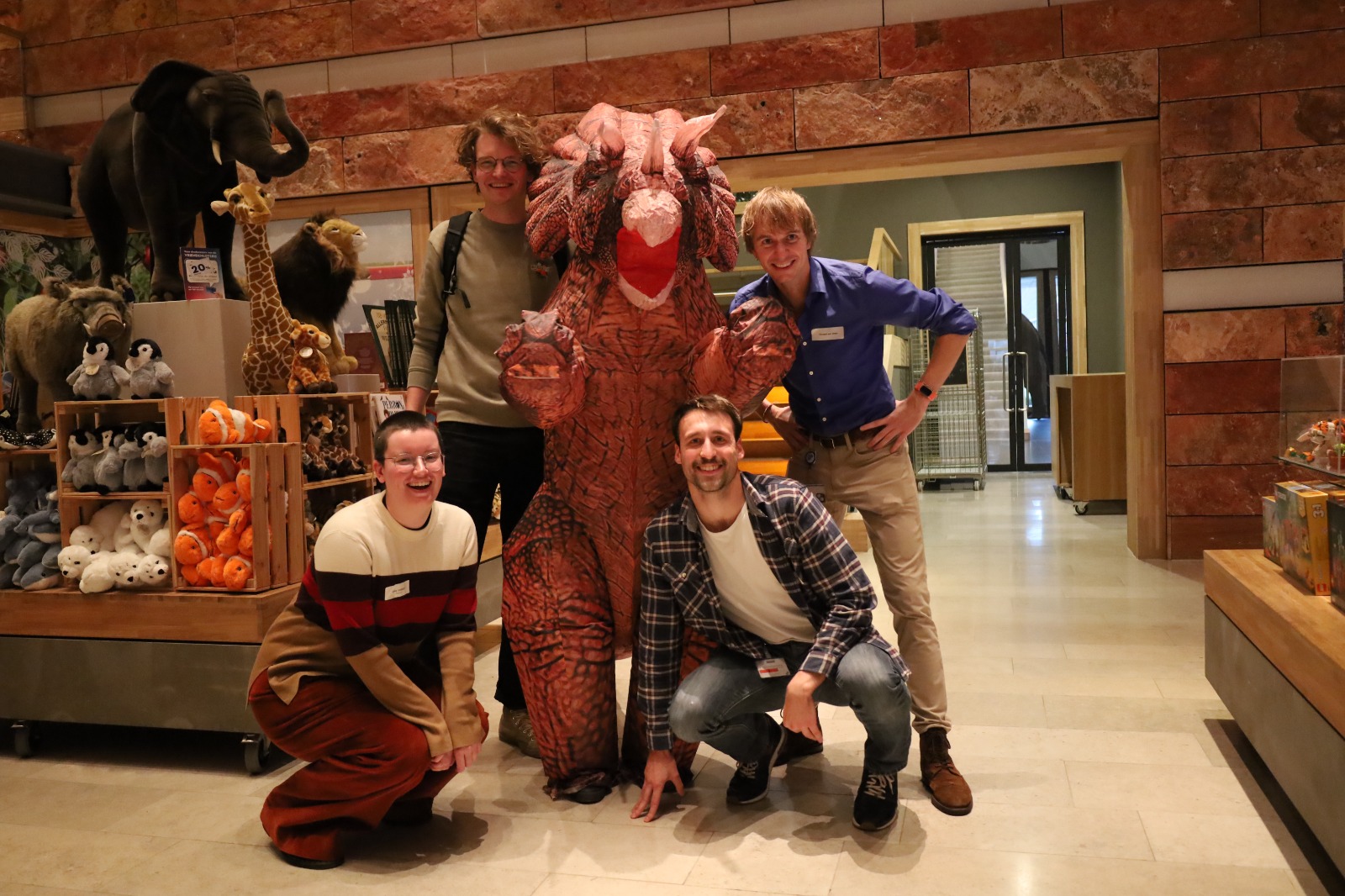
We are excited to share highlights from our recent Annual Science Retreat, hosted in the inspiring setting of the Naturalis Museum in Leiden.
Surrounded by magnificent dinosaur skeletons and the wonders of natural history, our team engaged in great discussions on the latest discoveries and breakthroughs in immunology.
The unique atmosphere of Naturalis sparked fresh ideas and exciting conversations about the future of our field.
Together, we explored new opportunities to advance research, inspired by the incredible blend of science and history all around us, setting the stage for another year of groundbreaking work!
Exciting New Study: Human Autoimmune Organoid Model Mimics Celiac Disease
13 August 2024
We are pleased to share our latest research, just published in Nature
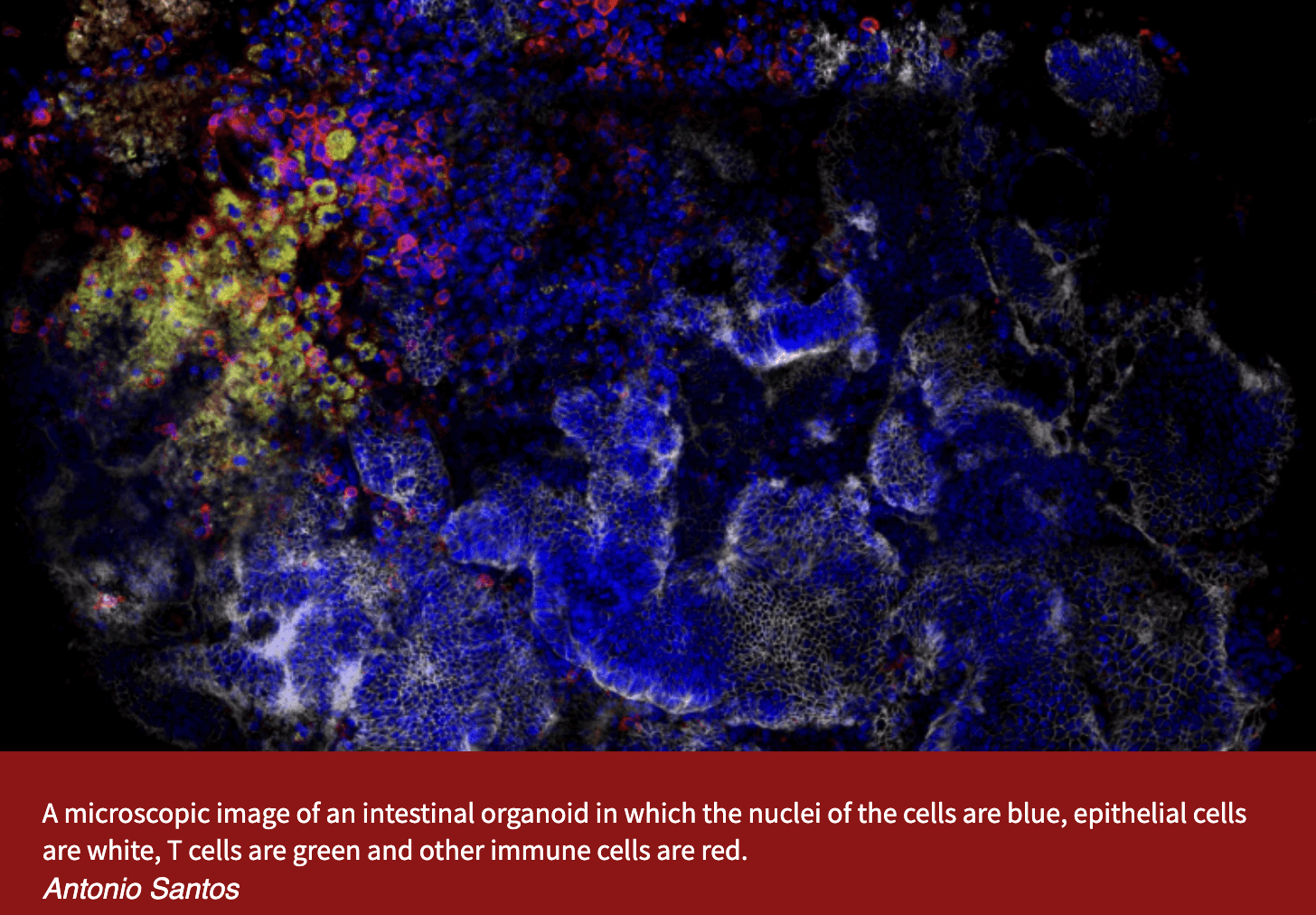
Our team at Stanford Medicine has developed a novel human autoimmune organoid capable of replicating celiac disease in vitro.This ALI organoid system preserves the epithelium, native mesenchyme, and tissue-resident immune cells as a cohesive unit.
Through this model, we discovered an unexpected role for the cytokine interleukin-7 in driving pathology within the intestine.This human celiac model successfully recapitulates gluten-dependent pathology and offers a new platform for investigating the mechanisms of autoimmune diseases.
This work also establishes a proof of principle for using organoid systems to model autoimmunity.
Big Kudos to the team, especially Antonio Santos and Calvin kuo!
New Lab Equipment Arrives!
17 July 2024
Exciting news from the lab! Today, we received a shipment of brand new equipment that will facilitate our research capabilities.
Among the new arrivals are high-precision pipettes, designed to enhance the accuracy and efficiency of our experiments. Our team is eager to start using these tools to push the boundaries of scientific discovery.
Stay tuned for updates on our research made possible by our latest technological advancements!

Our Website is Live!
08 March 2024
We are thrilled to announce the launch of our research group’s official website.
Stay tuned for updates on our latest research endeavors and discoveries.